
· Hugo · Repairs · 9 min read
Bike Tire Bulging (Here's What To Do)
You're just about to go on a thrilling bike ride, when suddenly you notice an alarming sight—your bike tire bulging!
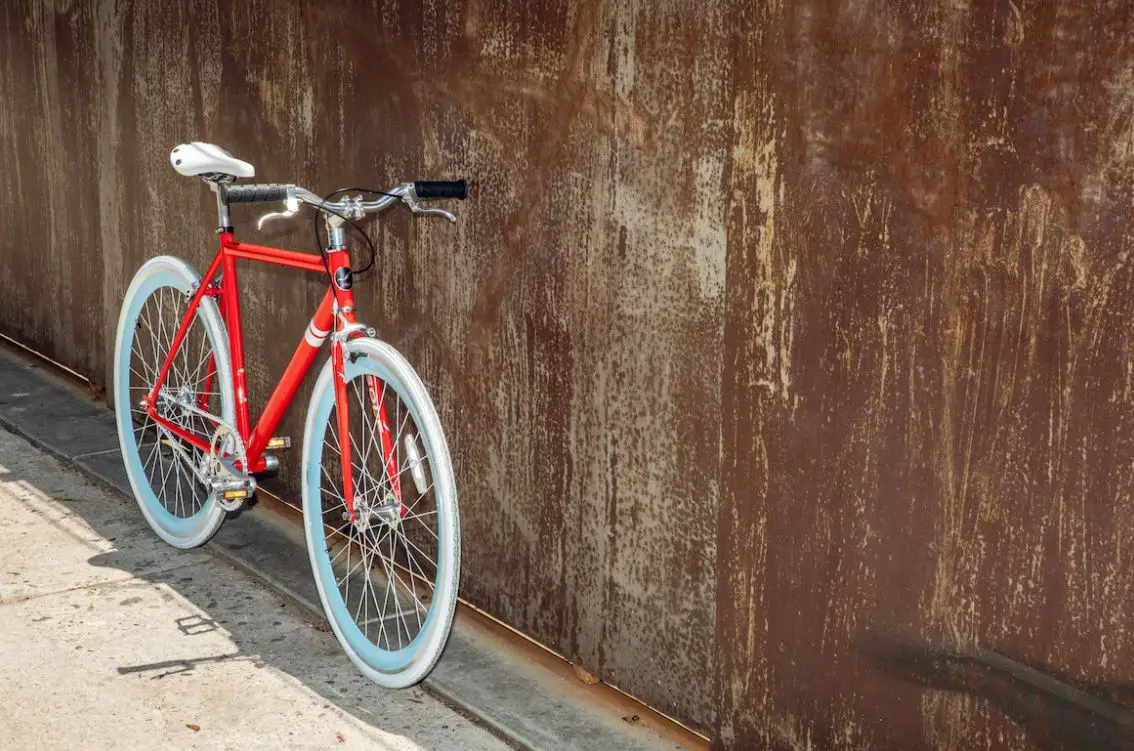
You’re just about to go on a thrilling bike ride, when suddenly you notice an alarming sight—your bike tire bulging!
Unfortunately, a bulging tire is a sign that you are going to get a flat soon, and it needs immediate attention if you don’t want the tire to blow up while you are on the road.
In this article, I’ll break down the potential causes behind bike tire bulging and what you should do in a situation like this.
⚠️ Safety Warning
Riding with a bulging tire is DANGEROUS and can lead to sudden tire failure, loss of control, and serious injury. If you notice a bulge in your tire, stop riding immediately and replace the tire before continuing.
Can I Still Ride My Bike If A Tire Is Bulging?
No, it’s not safe to ride if your bike tire is bulging. When a tire bulges, it means there’s a weak spot or damage inside the tire.
This weak spot can make the tire more likely to burst or lose control while you’re riding.
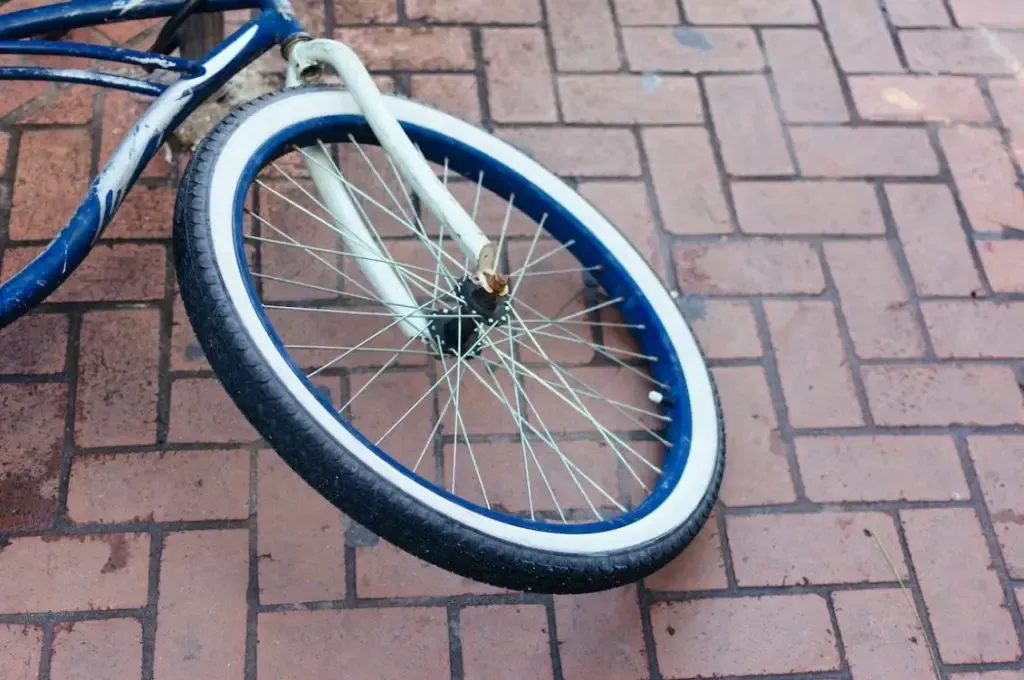
The bulging part of the tire is not strong enough, and it can’t handle the pressure and stress when you ride over bumps or uneven surfaces.
This is dangerous and can lead to a catastrophic blowout, causing a sudden loss of control and potentially resulting in a crash.
A bulging tire also affects how the bike handles and makes it harder to control.
It can also make the bike wobble, reduce your grip on the road, and make it harder to brake making it hard to turn or react quickly.
Riding with a bulging tire is risky and continuing to ride can cause more damage to the tire or even damage the wheel rim, which can affect how your bike works.
Step-by-Step Inspection Guide
Follow these steps to properly inspect your tire for bulging:
Step 1: Visual Inspection
- Deflate the tire completely - Remove all air pressure
- Remove the wheel from the bike for better access
- Inspect the entire tire - Look for any visible bulges, bumps, or irregularities
- Check both sides - Rotate the tire and inspect the inner and outer sidewalls
- Look for cracks or cuts - Check for any visible damage to the tire casing
Step 2: Feel for Bulges
- Run your fingers along the entire tire surface
- Feel for raised areas - Bulges will feel like bumps or raised sections
- Check the sidewall - Pay special attention to sidewall areas
- Inspect the tread - Look for bulges in the tread pattern
Step 3: Check Tire Bead
- Examine the bead area - Where the tire meets the rim
- Look for separation - Check if the tire bead is properly seated
- Inspect for damage - Look for cuts or tears near the bead
Step 4: Inflate and Test
- Inflate to low pressure (10-15 PSI)
- Watch for bulging - As pressure increases, bulges become more visible
- Check for even expansion - The tire should expand evenly
- Stop if bulge appears - Do not inflate to full pressure if a bulge is visible
What Causes Bike Tire Bulging?
Bike tire bulging can can be caused by several reasons, including:
Worn Or Damaged Tire
A bike tire may bulge if it has worn down or been damaged due to skidding, hitting a pothole, or poor design.
This may be accompanied by visible scraping or marks
Improperly Installed Or Inflated Inner Tube
If the inner tube is not correctly placed between the rim and the tire, or if it is poorly inflated, it can cause a bulge.
A visible portion of the tube may show around the bulge.
Tire Pressure
Both over-inflating and under-inflating bike tires can cause bulging.
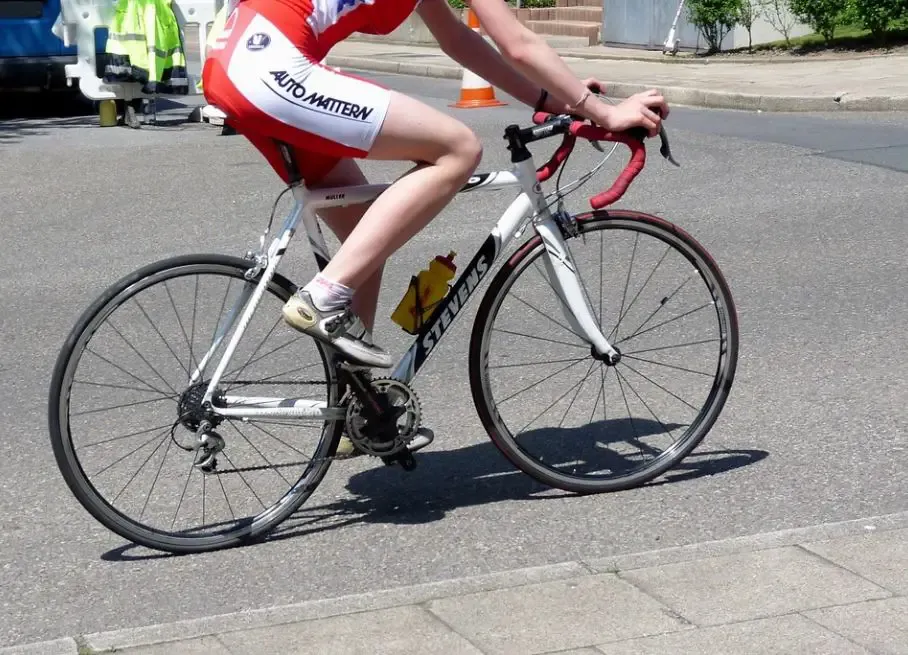
Over-inflating tires stresses the tire’s carcass and makes it more susceptible to damage, while under-inflating tires makes them more likely to flex and bend, causing the sidewall to protrude outwards
Faulty Tire Bead Or Other Manufacturing Defects
The tire bead is the reinforcing wire around the edges of a tire. If it is damaged, the tire may not be seated correctly on the rim, leading to bulging.
And in some cases, bulging can be due to manufacturing defects in the tire or inner tube.
What Should I Do If My Bike Tires Bulge?
Unfortunately a bulged tire cannot be repaired and must be replaced most of the time. A bulge in the tire sidewall or tread is a sign of internal damage, which cannot be fixed with a patch or plug.
The tire’s internal structure has failed, making it unsafe to ride as it can cause a tire blowout and a dangerous accident at any time.
But if the cause is impact damage, the tire may be salvageable if the bulge is not too severe.
In some cases, the defect may be covered by your tire warranty or road hazard insurance, so it may be worth submitting a claim if it occurs.
That being said, if the bulge is at the valve or under the tire bead, it could be fixed. Here are a couple of solutions:
Bulge At The Valve
This can happen if the valve stem is not straight or not seated properly.
To fix it, deflate the tire and carefully push the valve stem back into place.
Inflate the tire slowly and check that the valve stem is straight. If the problem persists, replace the tube.
Pinched Inner Tube Under Tire Bead
Deflate the tire and carefully lift and massage the tire until the tube is no longer pinched.
Re-inflate the tire slowly and check that the tube is not pinched.
How To Prevent Bike Tire Bulging
We now know bulged tires are not easy to fix, so you need to be careful. Here are a few tips to prevent bike tire bulging in the future:
Maintain proper tire pressure: Regularly check your tire pressure and inflate them as needed to keep them at the recommended levels
Inspect your tires: Examine your bike tires for signs of wear, damage, or improper installation. Replace worn or damaged tires as needed.
Avoid hitting sharp objects or obstacles: Be cautious while riding and try to avoid hitting potholes, curbs, or other obstacles that can cause damage to your tires.
Use appropriate inner tubes: Make sure to use inner tubes that are compatible with your bike tires. Tubes that are too large or thick may cause folds or creases, resulting in bulges.
Ensure proper tire seating: When installing a new tire or inner tube, make sure the tire is seated correctly on the rim, and the inner tube is smoothly and uniformly arranged inside the tire before inflation.
Cost Estimates for Tire Replacement
Tire Replacement Costs
| Tire Type | Price Range | Installation Cost | Total Cost |
|---|---|---|---|
| Road Bike Tire | $25-60 | $10-20 (DIY) or $15-30 (pro) | $35-90 |
| Mountain Bike Tire | $40-80 | $10-20 (DIY) or $15-30 (pro) | $50-110 |
| Tubeless Tire | $50-100 | $15-25 (DIY) or $25-40 (pro) | $65-140 |
| Premium/Racing Tire | $60-150 | $15-30 (DIY) or $25-50 (pro) | $75-200 |
DIY Installation: Requires tire levers, new tube (if applicable), and basic mechanical knowledge. Takes 15-30 minutes.
Professional Installation: Includes tire mounting, tube/tubeless setup, and pressure check. Takes 10-15 minutes at a bike shop.
When to Replace Both Tires: If one tire is bulging, consider replacing both if they’re the same age and have similar wear. This ensures balanced performance and safety.
Prevention Checklist
Prevent tire bulging with these maintenance practices:
Regular Maintenance
- Check tire pressure weekly - Maintain proper inflation (check sidewall for recommended PSI)
- Inspect tires before every ride - Look for cuts, cracks, or bulges
- Check tire condition monthly - Look for signs of wear, dry rot, or damage
- Replace tires before they’re completely worn - Don’t wait until the tread is gone
Proper Installation
- Ensure tire is properly seated - The bead should be evenly seated on the rim
- Avoid pinching the tube - When installing, make sure the tube isn’t pinched between tire and rim
- Inflate gradually - Inflate to low pressure first, check seating, then inflate to full pressure
- Use correct tire size - Match tire size to rim width (check manufacturer specifications)
Riding Practices
- Avoid hitting curbs or obstacles - Impact damage can cause bulging
- Don’t ride on underinflated tires - Low pressure increases risk of pinch flats and bulging
- Avoid overinflation - Don’t exceed maximum PSI listed on tire sidewall
- Check for debris - Remove rocks, glass, or other objects stuck in tire tread
Storage
- Store bike properly - Keep tires inflated to recommended pressure
- Avoid direct sunlight - UV rays can degrade tire rubber over time
- Check stored bikes regularly - Inspect tires before riding after long storage
When to Seek Professional Help vs DIY
DIY If:
- You’re comfortable with basic bike maintenance
- You have the necessary tools (tire levers, pump)
- The tire is clearly damaged and needs replacement
- You’ve successfully changed tires before
- The issue is straightforward (obvious bulge, visible damage)
Time Required: 15-30 minutes Cost: $25-80 (tire only)
Seek Professional Help If:
- You’re unsure about tire condition or safety
- The bulge is small and you’re not sure if replacement is needed
- You don’t have the tools or experience
- The tire is tubeless and you’re not familiar with tubeless setup
- You want a professional inspection to ensure safety
- The wheel or rim may also be damaged
Time Required: 10-15 minutes at shop Cost: $50-140 (tire + installation)
Safety Note: When in doubt, always err on the side of caution and consult a professional. A tire failure while riding can cause serious injury.
Bottom Line
Bike tire bulging can happen at the valve, sidewall or inner tube under tire bead. In either case, riding on a tire with a bulge is dangerous, and the tire should be replaced as soon as possible.
The most common causes of this issue is incorrect tire pressure, improper installation and worn out tires.
When installing a new tire or tube, take care to seat them properly and inflate the tire slowly and carefully, checking for any bulges or other issues.
And finally, always check the condition of your bike tires on a regular basis to prevent issues like bulges from happening.
Key Takeaways:
- Never ride with a bulging tire - It’s dangerous and can cause sudden failure
- Most bulges require tire replacement - Repair is rarely possible or safe
- Prevention is key - Regular inspection and proper maintenance prevent bulging
- When in doubt, replace the tire - Your safety is worth more than the cost of a new tire
- Professional help is recommended - If unsure, consult a bike shop for safety inspection
Frequently Asked Questions
Can a bulging bike tire be repaired?
No, a bulging bike tire cannot be safely repaired. A bulge indicates internal damage to the tire's structure (carcass), which cannot be fixed with patches or plugs. The tire must be replaced to ensure safety. Attempting to repair a bulging tire is dangerous and can lead to sudden tire failure.
How long can I ride with a bulging tire?
You should not ride with a bulging tire at all. Even a small bulge can lead to sudden tire failure, loss of control, and serious injury. Replace the tire immediately before riding again. If you're already on a ride and notice a bulge, stop immediately and walk the bike or call for assistance.
What causes a tire to bulge at the valve?
A bulge at the valve is usually caused by the valve stem not being straight or properly seated. This can be fixed by deflating the tire, repositioning the valve stem, and reinflating. However, if the bulge persists or is elsewhere on the tire, the tire needs replacement.
How much does it cost to replace a bulging tire?
Tire replacement costs $25-150 depending on tire type: road tires ($25-60), mountain bike tires ($40-80), tubeless tires ($50-100), or premium racing tires ($60-150). Installation adds $10-30 for DIY or $15-40 for professional installation.
Can low tire pressure cause bulging?
Yes, consistently riding with low tire pressure can contribute to bulging over time. Low pressure allows the tire to flex excessively, which can weaken the tire structure. However, bulging is more commonly caused by impact damage, manufacturing defects, or age-related wear.
How do I know if my tire bulge is dangerous?
All tire bulges are potentially dangerous and should be treated as such. Even small bulges indicate structural damage that can lead to sudden failure. If you notice any bulge, replace the tire immediately. Don't risk your safety by continuing to ride on a damaged tire.
Will a bulging tire always fail?
While not all bulging tires fail immediately, they are all at high risk of failure. The bulge indicates weakened tire structure, and continued use increases the likelihood of sudden failure. It's impossible to predict when failure will occur, so replacement is always recommended.
Can I prevent tire bulging?
Yes, you can prevent tire bulging by: maintaining proper tire pressure, avoiding impacts with curbs or obstacles, inspecting tires regularly, replacing tires before they're completely worn, ensuring proper tire installation, and storing your bike properly with tires inflated.